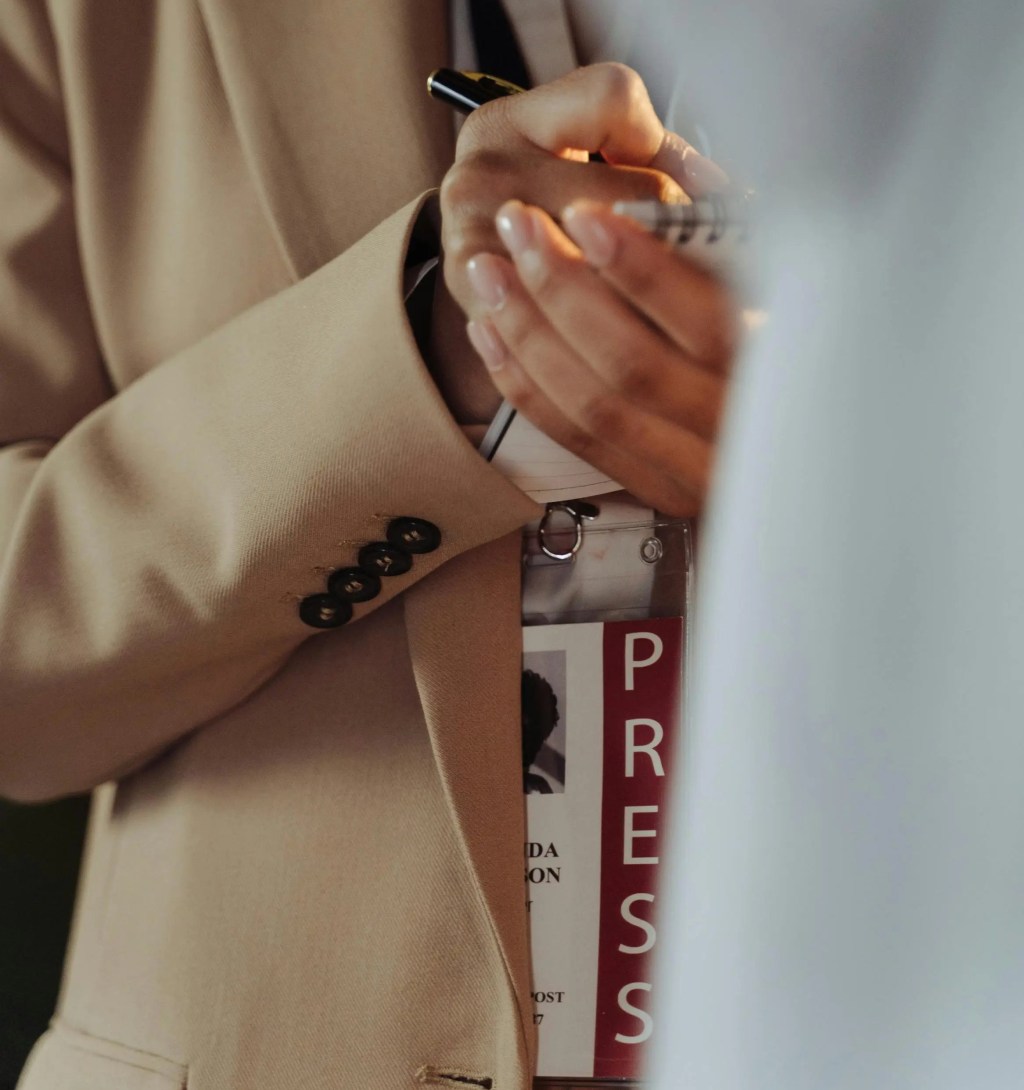
On World Press Freedom Day 2024, The Full Story explores the British Media’s silence on Gaza revealed in the Media Workers 4 Palestine’s latest online event, where a Palestinian journalist spoke live from Rafah. Here’s what we learned:
Q: How deadly is the war on Gaza for journalists?
A: 140 media workers have died according to records but it’s estimated there are more. Since the committee to project journalists (CPJ) records began in 1992, this crisis has seen the largest number of journalists killed in any conflict.
Q: What type of problems are journalists facing in Gaza and Rafah?
“1. Journalists in Rafah and Gaza are at a loss for words to describe the devastation and destruction around them.
2. Israel blocks internet and there are other blockages, which are not as clearly focused on. Despite these blockages, Israel has not allowed journalists from outside to come in.
3. I used to be a sport’s journalist. I have a master’s in journalism. I had dreams about working outside Palestine. I previously covered the World Cup from Qatar. I wanted to be an example. But now everyone just wants their children to at least live, try to get them out of the war zone but this is difficult because of the costs involved.”
– Alaaa Shamaly, sports writer
Q. Have any foreign journalists been able to get into Gaza?
“Journalism is a protected right; however, no foreign journalists have been allowed into Gaza. They have only been allowed if accompanying Israeli army.” – Laura Burdon-Manley, Aljazeera.
Q. How does the global movement demanding ceasefire in Gaza compare to other movements in the past?
A “We haven’t had this level of mobilisation since the suffragettes or the chartists. 66% of the British population wants a ceasefire and 56% want to stop arming Israel” – John Rees, Journalist and Stop the War organiser.
Q. Why won’t Egypt open the Rafah border crossing?
A. Egypt, the most populated Middle Eastern country and home to a population of 100 million, is one of biggest recipients of US aid.
Q. Why are the student protests at campuses such as Columbia University so important?
A. The protests at Columbia are delaying the Rafah invasion. They are raising awareness like they did for Vietnam as it puts pressure on the US government.
Q. How do other European countries compare to the British media’s reporting on Gaza?
A. French media is hitting a new low everyday. France does not want to accept that people in other countries live differently and it comes out of a colonial mentality to fight for secularism. Islamophobia is an underlying cause.
Q. What have been the repercussions for some journalists who speak out for Gaza?
A. You can be backlisted, your career can be ended; you can lose your job.
Q. Why has the NUJ remained silent about Gaza?
A. The NUJ has had no profile at all in this matter due to fear of Jewish journalists leaving. Six did leave – and the campaign against anti-Semitism says all the activity relates to this part of the branch (the Freelance Branch) – but they have not found anything anti-Semitic.
Q. We know that outlets such as the New York Times has asked their writers not to mention the word ‘genocide,’ What has the BBC been saying about Gaza to employees?
A. “They are asking people to be impartial” – anonymous journalist.
 THE FULL STORY
Leave a comment